Business journalism for founders, operators, and the people who run things.

An invitation, extended to Powered readers.
Private test drives available for Powered readers through Bentley Motors.

PNC went five-day on May 4. Fidelity tightened in April. The bank playbook is now visible - and the leaders treating it as the new standard are about to import a problem they do not have.

The April 8 release put hard numbers on what HR leaders have been describing intuitively. The fix is not what most coaching programs are selling.

The 2026 institutional research has converged on a clear answer. The managers asking the question are mostly applying it wrong.

Burnout quietly erodes strategy, talent, and momentum long before a competitor does. Leaders who ignore internal exhaustion don't just lose good people; they lose the organizational capacity to compete at all.

For the better part of the last two decades, the prevailing wisdom in executive recruiting has favored specialists.

Something strange has been happening inside some of the most successful companies over the past two years.

Motivation fades, but friction compounds. The leaders who consistently get results aren't the most inspiring speakers in the room. They're the ones obsessively clearing the obstacles that slow their teams down.

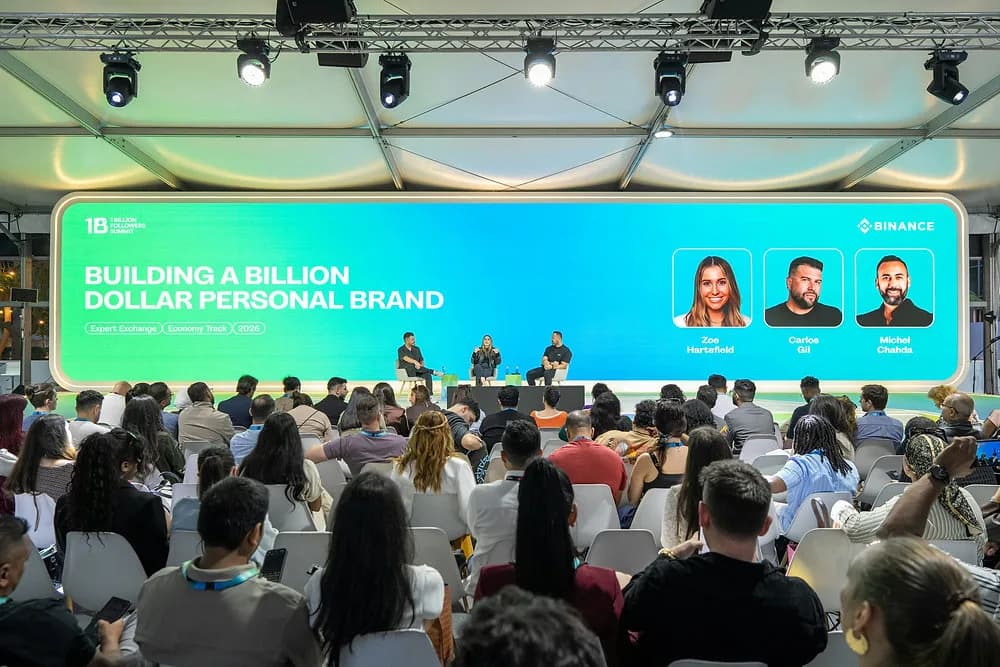
Most team-building efforts focus on structure, roles, and process. The missing variable is trust, and without it, even the most talented groups underperform. Here is how leaders actually build it.

Emotional regulation rarely appears in job descriptions, but it may be the single skill that separates good leaders from great ones. Here is how to build it before your next high-stakes moment.

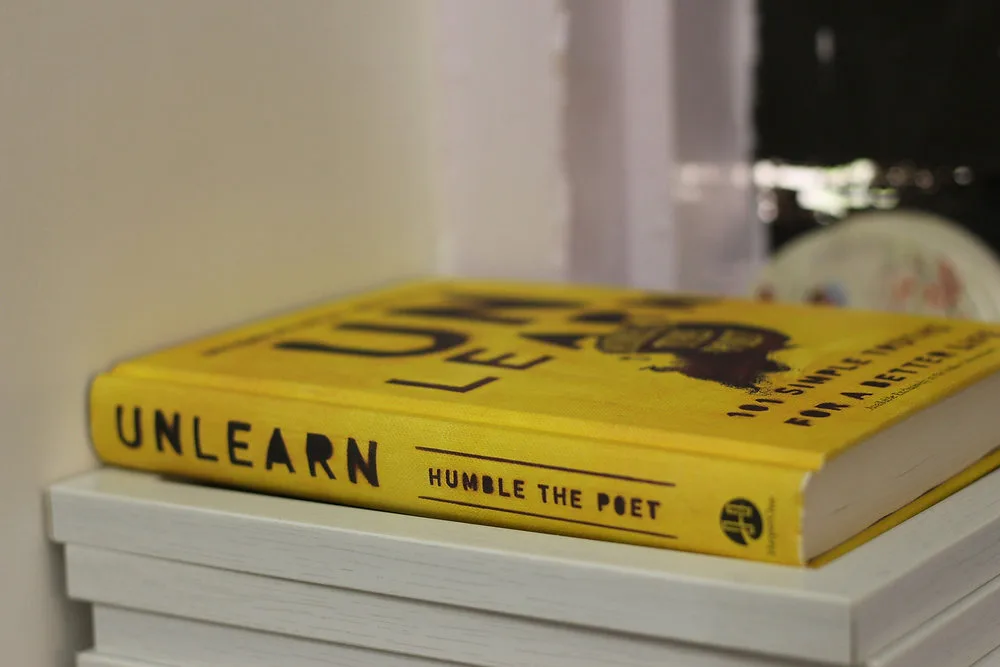
The leadership playbook that got you here may be exactly what's holding your team back. The most effective leaders in 2026 aren't adding new skills, they're deliberately discarding outdated ones.

Loud doesn't mean effective. The most consistently high-performing leaders today are low-profile operators who prioritize clarity, trust, and execution over visibility, and their results are quietly outpacing everyone else.

Celebrity-built fortunes look solid until they don't. Kim Kardashian's shifting valuation reveals how brand-dependent empires lack the structural resilience of conventional businesses, and why founders should think carefully before treating fame as a financial foundation.

For the first time since Facebook became a global advertising powerhouse, Meta’s biggest challenge is no longer competition or innovation, but governance.

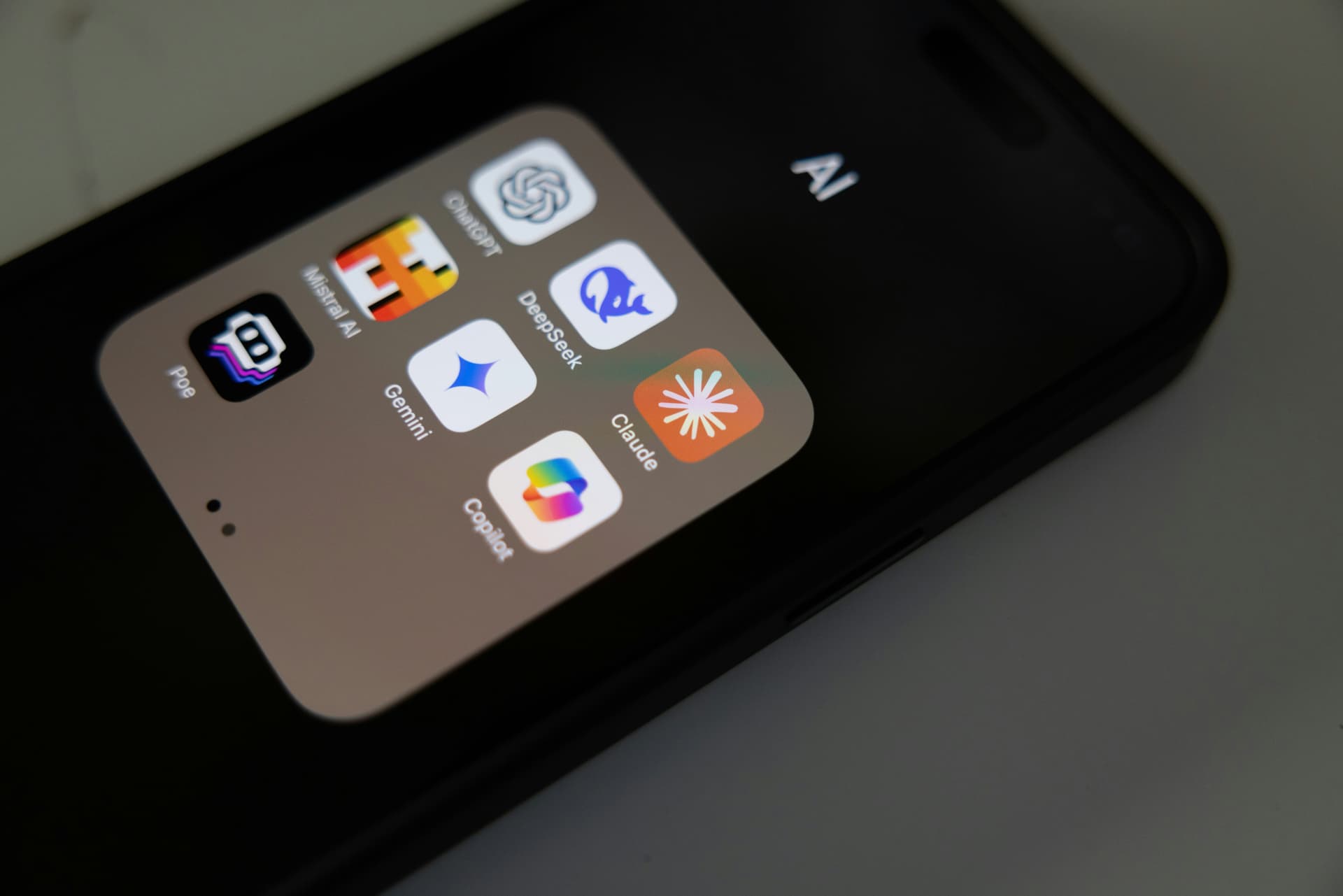
OpenAI is no longer positioning itself merely as a research lab or a consumer AI product company.

Amazon’s latest strategic moves point to a quiet but decisive shift in how the company plans to generate its next wave of growth.

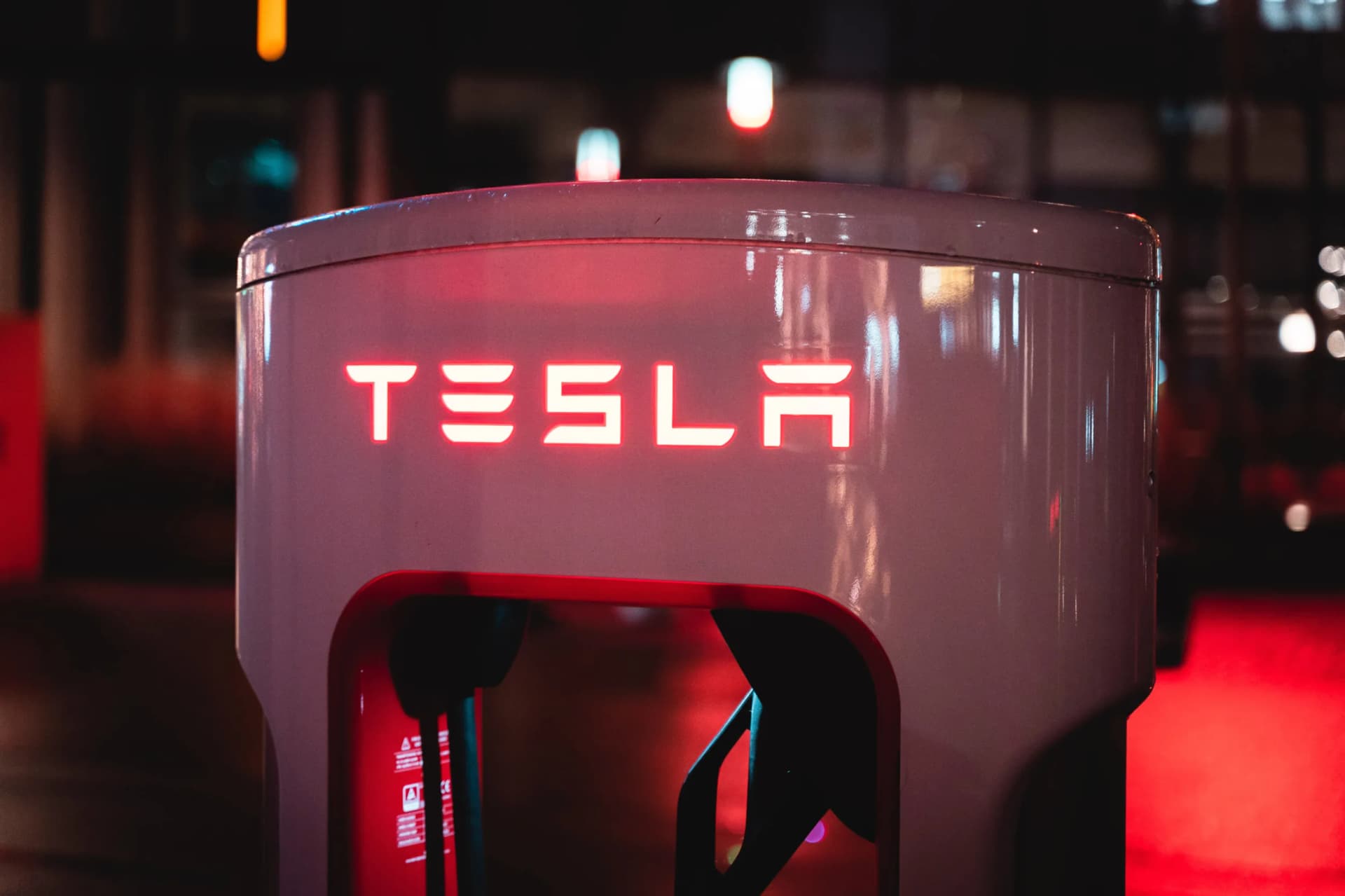
Tesla’s latest strategic moves suggest the company is deliberately reshaping how investors and competitors should think about its future.

The role of the CEO in 2026 is fundamentally different from what it was even five years ago. Markets move faster than strategy decks.

The books top CEOs return to most reveal a pattern: the best leaders are relentless readers. Here are the titles shaping strategic thinking at the highest levels of business right now.

In 2024, Microsoft’s CEO, Satya Nadella, witnessed a 63% increase in his total compensation, reaching $79.

Jeff Bezos, founder of Amazon and owner of The Washington Post, is once again making waves with high-stakes business maneuvers and influential decisions.