Leadership
Stop Building Teams. Start Building Trust.
Most team-building efforts focus on structure, roles, and process. The missing variable is trust, and without it, even the most talented groups underperform. Here is how leaders actually build it.
By
Staff WriterCategory
LeadershipReading
4 minPublished
Apr 10, 2026
Real teams, the kind that consistently produce exceptional results, are built on something that can't be mandated or trained into existence through a weekend retreat. They're built on trust. And not the superficial kind of trust where people are polite to each other in meetings. I'm talking about the deep, operational trust where someone can say, "I messed up and I need help," without calculating the career risk first.
This distinction matters more than most leaders realize. Patrick Lencioni wrote about it years ago in The Five Dysfunctions of a Team, but the idea still hasn't fully landed in most organizations. The dysfunction at the base of the pyramid isn't conflict or lack of accountability. It's absence of trust. And you can't fix anything else until you fix that.
So what does trust actually look like in practice? Here's one way to think about it. In a low-trust team, people prepare for meetings. They rehearse their talking points. They think about how things will land politically. They hedge. They cover. They position. The meeting happens, and it's fine. Civil. Productive, even. But the real conversations happen afterward, in side channels and closed-door one-on-ones, where people say what they actually think.
In a high-trust team, the meeting is the real conversation. People disagree openly. They ask dumb questions without worrying about looking dumb. They push back on the boss's idea because they trust that the boss genuinely wants the best answer, not confirmation of their own brilliance. The energy is different. It's messier, sometimes louder, and infinitely more productive.
Building this kind of trust is the leader's job, full stop. And it starts with vulnerability, which is probably the most misunderstood word in leadership vocabulary right now. Vulnerability doesn't mean crying in front of your team or sharing your deepest insecurities during a standup. It means being honest about what you don't know. It means admitting when you changed your mind. It means sharing the reasoning behind your decisions, not just the decisions themselves, so people can engage with your thinking rather than just your conclusions.
One thing I've noticed in the companies that do this well: their leaders actively model the behavior they want to see. If they want people to take risks, they talk openly about their own failures. If they want honest feedback, they respond to criticism with curiosity instead of defensiveness. If they want people to ask for help, they ask for help themselves, publicly, not as a performative exercise but because they actually need it.
This is harder than it sounds. Most leaders got to where they are by being competent, by having answers, by projecting strength. Asking for help can feel like an admission of inadequacy. But here's the paradox: teams trust leaders who show they're human far more than leaders who pretend to be infallible. Because everyone already knows you're not infallible. The question is whether you're honest about it.
There's also a structural dimension to trust that leaders often overlook. Trust erodes when systems are inconsistent. When promotions seem arbitrary. When the rules seem to apply differently to different people. When leaders say one thing and do another. You can be personally trustworthy and still lead an organization that people don't trust, because the structures and policies send a different message than your words do.
The most trust-rich organizations I've seen are fanatical about alignment between what they say and what they do. Their values aren't aspirational statements on a wall. They're operational principles that actually influence decisions. When there's a conflict between short-term revenue and a stated value, the value wins. And everyone watches to see whether that's true, whether leadership even realizes it or not.
Here's the business case, because I know some readers are waiting for it. High-trust teams move faster. They spend less time on politics and more time on problems. They surface issues earlier, which means smaller, cheaper fixes. They retain talent because people don't leave environments where they feel genuinely valued and safe. And they innovate more, because innovation requires the kind of intellectual risk-taking that only happens when people aren't afraid of being punished for a bad idea.
You can't shortcut trust. There's no framework or tool that creates it overnight. It's built in thousands of small moments. How you respond when someone pushes back. What you do when a project fails. Whether you follow through on the small promises, not just the big ones. Whether people feel seen and heard, or managed and measured.
If you're a leader reading this, here's my challenge. Forget about team-building for a quarter. Focus entirely on trust-building. Have honest conversations. Deliver on your commitments. Show your work. Be consistent. And watch what happens to the team around you. You might be surprised by what people are capable of when they stop protecting themselves and start trusting each other.

Three Successions in Six Days, and the Question None of Them Answered
The Fourteen-Month Handoff: What Boards Get Wrong About Naming a Successor? Long Runway, Interim CFO, or Internal Promotion: Choosing Your Succession Posture

The No. 2 Exit: Why Boards Underestimate Deputy Departures
Fidji Simo's exit from OpenAI and Sumit Rana's from Epic Systems both happened the same week, for unrelated reasons. Here's why the deputy seat deserves the same succession scrutiny boards reserve for the CEO chair.
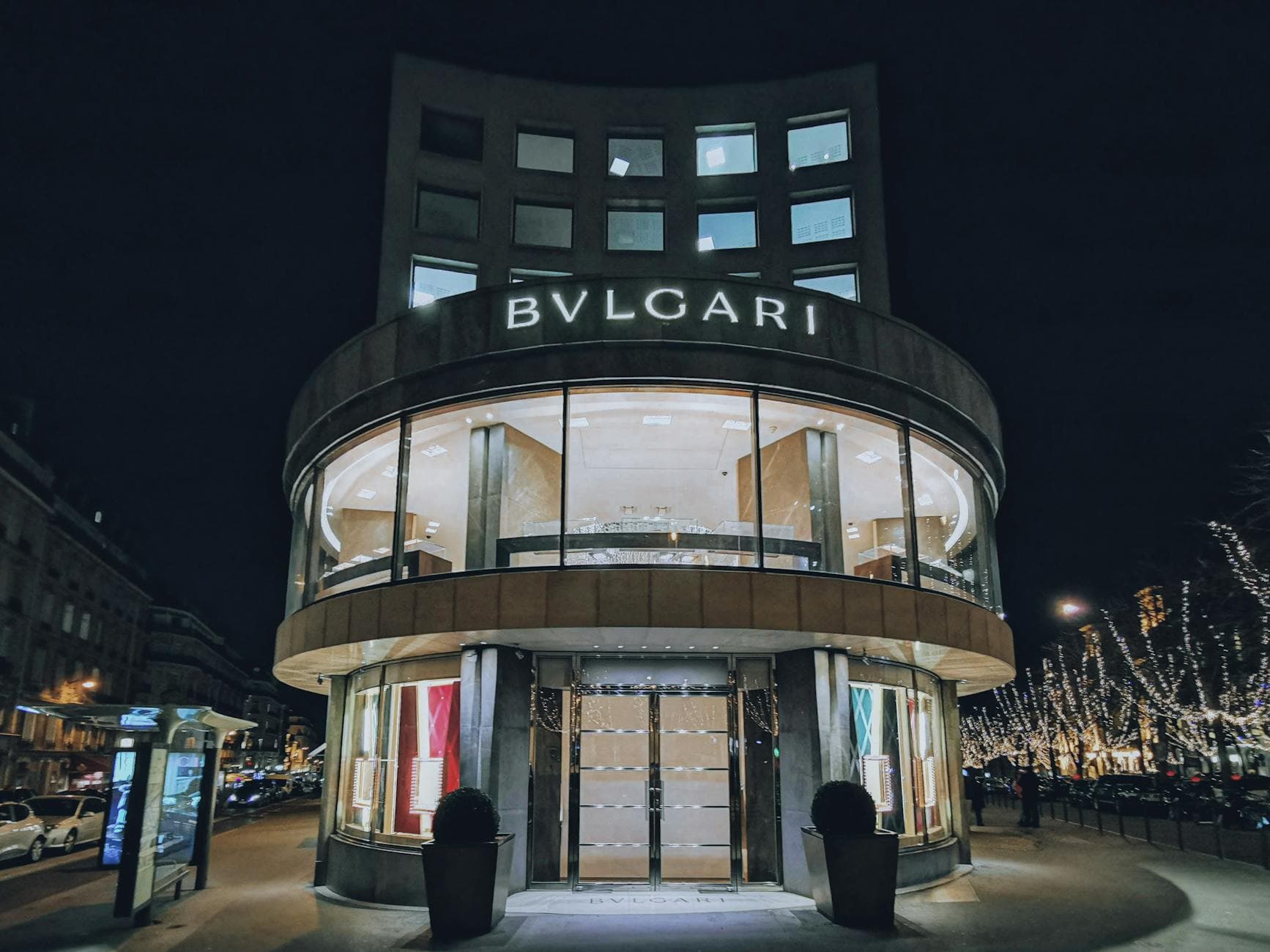
LVMH Just Picked Bvlgari's Next CEO. The Decision Is About Watches, Not Jewelry.
LVMH appointed Laura Burdese as Bvlgari's next CEO effective July 1, succeeding Jean-Christophe Babin after his transformational tenure. The succession is well-managed and overdue, but the more interesting question is what kind of strategic positioning the marketing-led appointment signals — and what it tells you about where LVMH thinks Bvlgari's growth has to come from next.
Sponsored placement

An invitation, extended to Powered readers.
Drive the Continental GT S.
Private test drives available for Powered readers through Bentley Motors.
