Leadership
Kim Kardashian and the Fragility of Celebrity Billionaire Status
Celebrity-built fortunes look solid until they don't. Kim Kardashian's shifting valuation reveals how brand-dependent empires lack the structural resilience of conventional businesses, and why founders should think carefully before treating fame as a financial foundation.
By
Staff WriterCategory
LeadershipReading
2 minPublished
Dec 23, 2025
Recent valuations of Kardashian’s business empire suggest that billionaire status built on celebrity branding is far more fragile than it appears. The reassessment has not come from scandal or collapse, but from something more fundamental: market realism. As private valuations normalize and consumer brands face tighter spending environments, the gap between headline numbers and durable wealth has become harder to ignore.
At the center of the discussion is SKIMS, Kardashian’s most successful operating business. SKIMS remains a strong brand with real revenue, but its valuation depends heavily on growth expectations, brand momentum, and licensing expansion. In a tougher retail environment, those expectations are no longer taken for granted. Investors are increasingly cautious about fashion brands tied closely to a single personality, no matter how influential.
Kardashian’s earlier billionaire label was largely driven by private market estimates rather than realized liquidity. Unlike founders of technology or industrial companies, celebrity entrepreneurs often hold wealth that is illiquid and highly sensitive to brand perception. A change in consumer sentiment, social media relevance, or cultural trends can have an outsized impact on valuation.
This distinction matters. Billionaire status in traditional business is usually backed by ownership of assets that generate predictable cash flows or control critical infrastructure. In celebrity driven businesses, value is more ephemeral. It is tied to attention, timing, and cultural relevance, all of which are difficult to sustain indefinitely.
The Kardashian case highlights a broader issue in modern wealth culture. Media rankings and headlines often blur the line between paper valuations and financial resilience. A brand valued at billions does not automatically translate into personal net worth that can withstand market downturns, brand fatigue, or shifts in consumer behavior.
Kardashian herself has not publicly framed this recalibration as a failure, and in many ways it is not. Her businesses remain profitable and influential. The real story is about expectations. The idea that celebrity alone can create permanent billionaire status is being tested by economic reality.
For aspiring celebrity entrepreneurs, the lesson is sobering. Building a brand is not the same as building an institution. Without diversification, governance, and products that can outlive personal relevance, wealth remains vulnerable to forces outside the founder’s control.
Kim Kardashian’s journey reflects the limits of fame as capital. Influence can open doors and accelerate growth, but sustaining billionaire level wealth requires structures that go beyond visibility. As markets mature and consumer spending tightens, the era of effortless celebrity billionaires may be giving way to a more demanding definition of business success.

Three Successions in Six Days, and the Question None of Them Answered
The Fourteen-Month Handoff: What Boards Get Wrong About Naming a Successor? Long Runway, Interim CFO, or Internal Promotion: Choosing Your Succession Posture

The No. 2 Exit: Why Boards Underestimate Deputy Departures
Fidji Simo's exit from OpenAI and Sumit Rana's from Epic Systems both happened the same week, for unrelated reasons. Here's why the deputy seat deserves the same succession scrutiny boards reserve for the CEO chair.
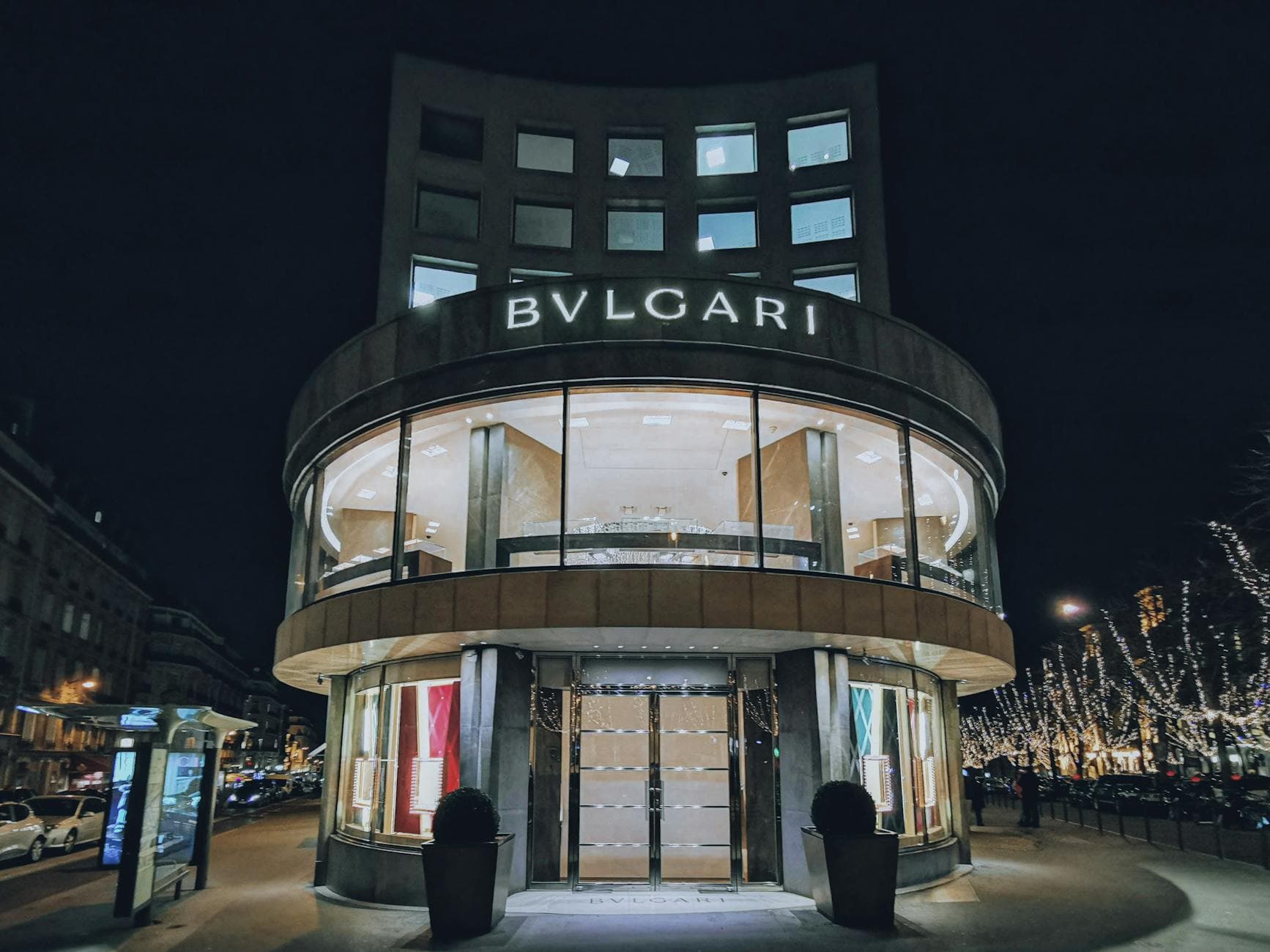
LVMH Just Picked Bvlgari's Next CEO. The Decision Is About Watches, Not Jewelry.
LVMH appointed Laura Burdese as Bvlgari's next CEO effective July 1, succeeding Jean-Christophe Babin after his transformational tenure. The succession is well-managed and overdue, but the more interesting question is what kind of strategic positioning the marketing-led appointment signals — and what it tells you about where LVMH thinks Bvlgari's growth has to come from next.
Sponsored placement

An invitation, extended to Powered readers.
Drive the Continental GT S.
Private test drives available for Powered readers through Bentley Motors.
