Leadership
The Quiet Leaders Are Winning And Nobody's Talking About it
Loud doesn't mean effective. The most consistently high-performing leaders today are low-profile operators who prioritize clarity, trust, and execution over visibility, and their results are quietly outpacing everyone else.
By
Staff WriterCategory
LeadershipReading
4 minPublished
Apr 5, 2026
There's a particular kind of CEO who never trends on social media. They don't post motivational quotes at 5 a.m. They don't have a "morning routine" video with 2 million views. You've probably never heard their name at a cocktail party, and that's exactly the point.
We've spent the last decade idolizing the loud founders. The ones who throw chairs in board meetings and call it passion. The ones who sleep four hours a night and want you to know about it. But something interesting has been happening in boardrooms across the world, quietly (of course): the understated leaders are outperforming everyone else.
Take the research coming out of organizational psychology labs in the last few years. Study after study is finding the same thing. Leaders who listen more than they talk, who ask more questions than they answer, who are comfortable saying "I don't know" in front of their teams, those leaders tend to build companies that last. Their employee retention numbers are better. Their innovation pipelines are deeper. And their organizations weather downturns with more resilience.
Why? Because quiet leadership isn't about being passive. It's about being deliberate.
Sarah Chen runs a 400-person fintech company out of Toronto. When I spoke with her last month, she told me something that stuck with me. "The loudest person in the room isn't leading," she said. "They're performing." Her company has grown 40% year over year for three consecutive years, and she attributes most of that to a culture where people feel safe enough to disagree with her. "If my VP of Engineering tells me my idea is terrible, I want to understand why. That's where the good stuff happens."
This is the opposite of what most leadership books will tell you. For decades, the dominant model of leadership was transactional and hierarchical. The boss decides, the team executes. But we're living in a different world now. The problems companies face today are too complex for any one person to solve alone. Climate risk, AI integration, shifting consumer expectations, remote and hybrid work models. These aren't challenges you can brute-force with charisma and a whiteboard.
The quiet leaders understand this intuitively. They build systems instead of cults of personality. They hire people who are smarter than them in specific domains and then get out of the way. They hold fewer all-hands meetings and more one-on-ones. They don't need to be the hero of every story.
Of course, there's a difference between quiet leadership and absent leadership. The best leaders in this mold are deeply present. They notice things. They read the room. They follow up on conversations from two weeks ago that everyone else forgot about. One CFO I interviewed described it as "leading from the middle of the table, not the head of it."
This shift matters because the workforce is changing too. Millennials and Gen Z workers have made it clear that they don't want a boss who's a celebrity. They want a boss who's competent, empathetic, and honest. A 2025 Gallup study found that the number one reason people leave their jobs isn't money or title. It's their relationship with their direct manager. And the managers who score highest in those relationships tend to be the ones who lead with curiosity rather than authority.
There's also a practical dimension here that doesn't get enough attention. Quiet leaders tend to make better decisions. When you're not performing for the room, when you're not worried about looking decisive or strong, you can actually sit with ambiguity for a beat. You can consider the second and third-order effects of a choice. You can change your mind without losing face, because you never made it about your face in the first place.
None of this means that extroverted leaders can't be effective. They absolutely can. But the correlation between volume and competence is weaker than most people assume. And in a business environment that's getting more unpredictable by the quarter, the leaders who are built for uncertainty aren't the ones shouting directions. They're the ones asking their team, "What are we missing?"
The next time you're evaluating leadership, whether it's hiring a CEO, promoting a director, or choosing who to follow, pay less attention to who commands the room. Pay more attention to who makes the room feel safe enough to be honest. That's where real leadership lives. And it doesn't need a microphone.

Three Successions in Six Days, and the Question None of Them Answered
The Fourteen-Month Handoff: What Boards Get Wrong About Naming a Successor? Long Runway, Interim CFO, or Internal Promotion: Choosing Your Succession Posture

The No. 2 Exit: Why Boards Underestimate Deputy Departures
Fidji Simo's exit from OpenAI and Sumit Rana's from Epic Systems both happened the same week, for unrelated reasons. Here's why the deputy seat deserves the same succession scrutiny boards reserve for the CEO chair.
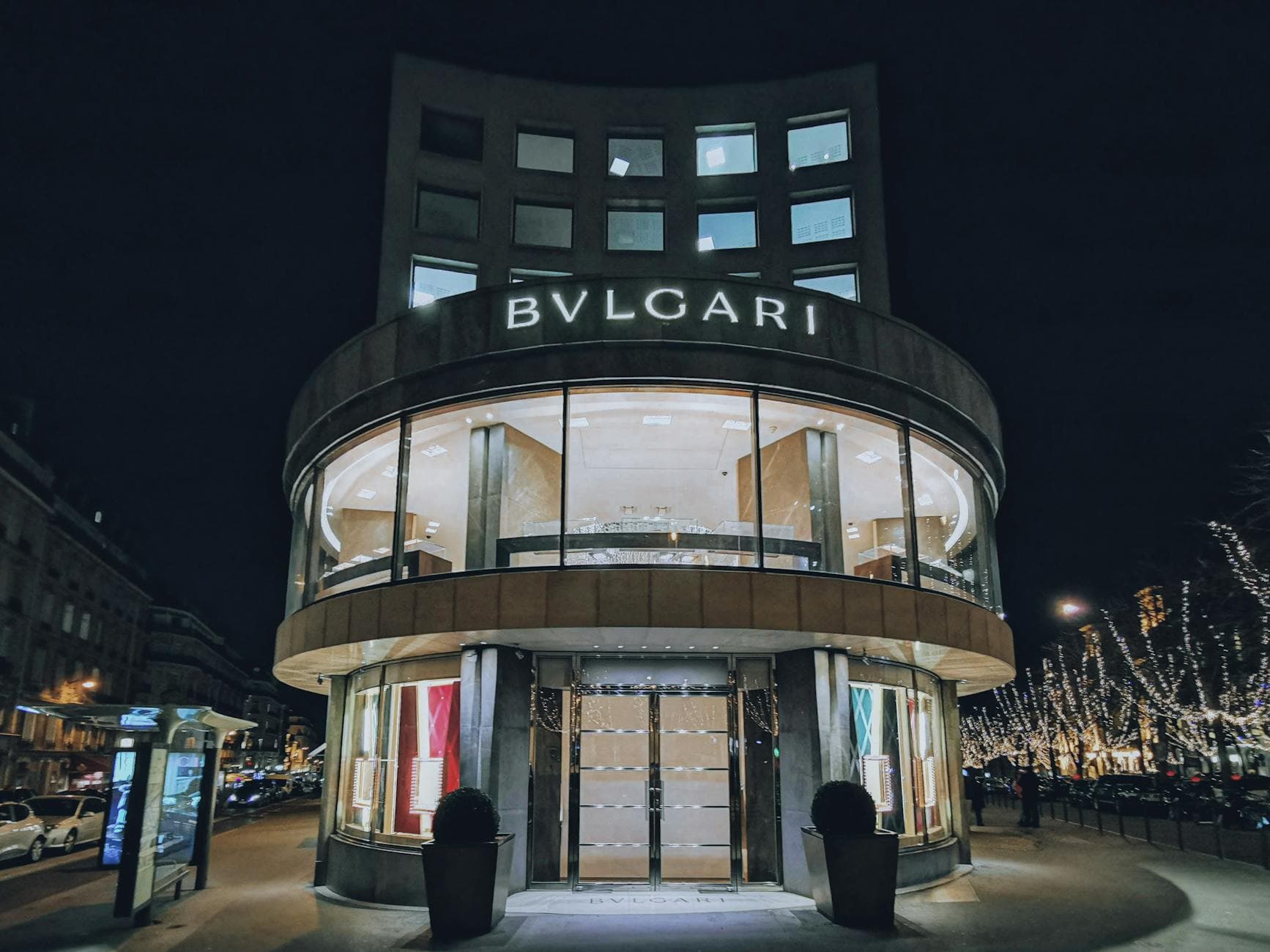
LVMH Just Picked Bvlgari's Next CEO. The Decision Is About Watches, Not Jewelry.
LVMH appointed Laura Burdese as Bvlgari's next CEO effective July 1, succeeding Jean-Christophe Babin after his transformational tenure. The succession is well-managed and overdue, but the more interesting question is what kind of strategic positioning the marketing-led appointment signals — and what it tells you about where LVMH thinks Bvlgari's growth has to come from next.
Sponsored placement

An invitation, extended to Powered readers.
Drive the Continental GT S.
Private test drives available for Powered readers through Bentley Motors.
